

Essential Tips for Restoring and Maintaining Wooden Surfaces
Wooden surfaces bring warmth, craftsmanship, and timeless character into a space. Whether found in fine furniture, cabinetry, architectural millwork, or heirloom pieces, properly maintained wood can remain beautiful for generations. Understanding how to care for, restore, and protect wood finishes is essential for preserving both appearance and long-term value.
INFORMATION
Dave
5/12/20262 min read
Professional Wood Restoration Fundamentals
Successful wood restoration begins with understanding the condition of the surface and selecting the correct treatment methods. Proper preparation, gentle cleaning, and high-quality finishing materials are critical for achieving refined, lasting results.
Key Areas of Focus Include:
Selecting appropriate stains, finishes, and protective coatings
Maintaining regular cleaning and inspection routines
Preventing moisture and environmental damage
Addressing scratches, fading, and finish wear early
Using restoration-safe products that preserve the integrity of the wood
For regions such as Southern Alberta, where dry conditions and seasonal humidity fluctuations can affect wood movement and finishes, consistent maintenance becomes even more important.
A Professional Approach to Wood Restoration
Restoring wood surfaces properly requires patience, attention to detail, and quality craftsmanship. While every project differs, the following foundational steps are commonly used during professional restoration work:
Prepare the Surface
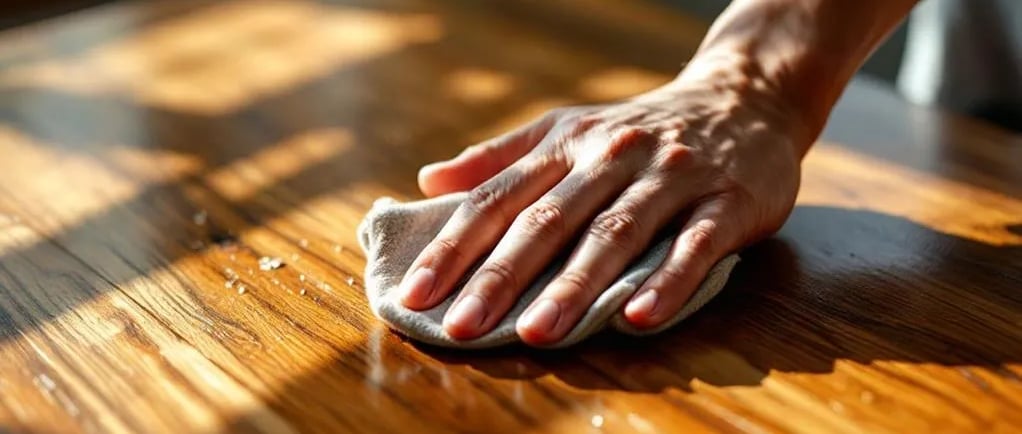
Begin by carefully removing dust, dirt, and loose debris using a soft microfiber cloth or gentle brush. Protect surrounding areas before beginning any cleaning or refinishing process.
Clean with Gentle Products
Avoid harsh chemicals that may damage delicate finishes. A mild soap solution and lightly dampened cloth are often sufficient for safely removing grime and buildup. Excess moisture should always be avoided.
Light Surface Preparation
Fine sanding may be required to smooth imperfections, remove deteriorated finish residue, or prepare the surface for touch-up work. Sanding should always follow the direction of the wood grain to preserve a natural appearance.
Restore Colour and Finish
Professional-grade touch-up products, stains, and toners help restore color consistency while minimizing scratches and wear. Thin, controlled applications provide the most natural and refined results.
Protect the Surface
Applying a high-quality protective finish helps preserve the restored surface from future wear, moisture, UV exposure, and environmental damage.
Essential Products for Quality Wood Care
Using professional-quality materials plays a significant role in the longevity and appearance of restored wood surfaces.
Premium Wood Stains
High-quality stains enhance depth, richness, and grain clarity while providing even coloration and refined aesthetics.
Durable Protective Finishes
Advanced finishes offering moisture resistance and UV protection help preserve wood surfaces in both residential and commercial settings.
Proper Surface Preparation Tools
Precision sanding tools and fine abrasives help create smooth, even surfaces prior to finishing and touch-up work.
Professional Application Tools
High-quality brushes, applicators, and foam rollers assist in achieving smooth, streak-free finish application.
Protective Clear Coatings
Clear protective coatings help seal and preserve restored surfaces while adding durability against everyday use and environmental exposure.
Maintaining Fine Wood Surfaces
Long-term wood preservation relies heavily on regular care and preventative maintenance.
Recommended Maintenance Practices
Dust regularly using a clean microfiber cloth
Avoid excessive moisture exposure
Use coasters, felt pads, and protective coverings
Address scratches and finish damage early
Avoid silicone-based spray polishes and harsh cleaners
Maintain stable indoor humidity whenever possible
Routine inspections can help identify early signs of wear before more significant restoration becomes necessary.
When Professional Restoration Is Recommended
While minor maintenance can often be handled safely at home, extensive damage, water intrusion, finish failure, structural issues, or valuable furniture pieces should be professionally assessed. Proper restoration techniques ensure compatibility with existing finishes while preserving the integrity and value of the wood.
Preserving the Beauty of Wood for Years to Come
Wood restoration is both a technical skill and an art form. With proper care, quality materials, and professional restoration methods, wooden surfaces can maintain their beauty, functionality, and elegance for decades.
Whether caring for fine furniture, custom cabinetry, heirloom pieces, or architectural wood finishes, consistent maintenance and informed restoration practices remain the key to preserving the timeless character and craftsmanship of natural wood.