Bad Wood Finishes — How to Recognize Them
A professionally applied wood finish should enhance the natural beauty of the wood while providing long-term protection against moisture, wear, sunlight, and daily use. When a finish is improperly applied, poorly maintained, or begins to fail, it can negatively impact not only the appearance of the wood, but also its durability, longevity, and overall value. Recognizing the early signs of finish failure is essential for preventing more extensive and costly restoration work in the future.
HELPFUL TIPS
Dave
5/17/20263 min read
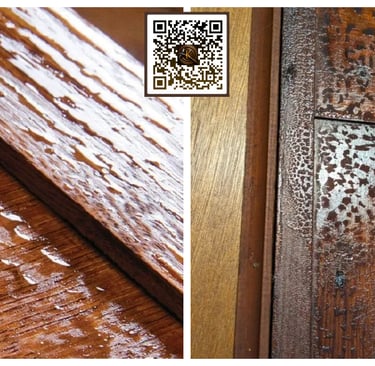
Common Signs of a Poor or Failing Wood Finish
Sticky or Tacky Surfaces
One of the most noticeable indicators of a failed finish is a surface that remains sticky or tacky long after application. This often occurs when finishes are applied too heavily, exposed to excessive humidity, or improperly cured.
A tacky finish attracts dust, debris, and contaminants, leaving the surface looking dull and dirty while compromising durability.
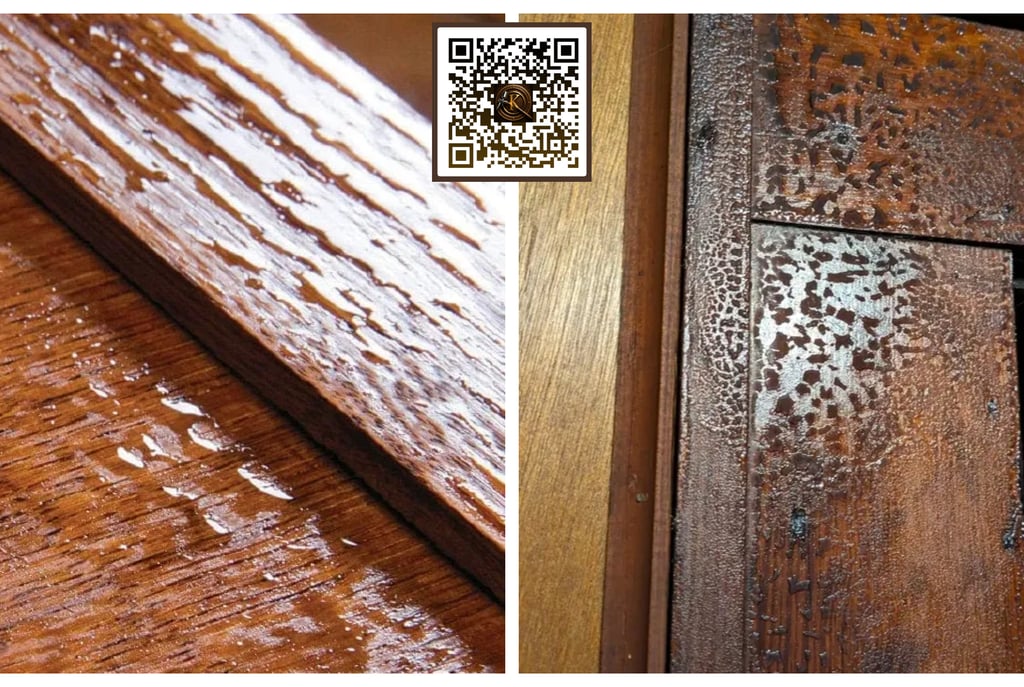
“Orange Peel” Texture
An orange peel finish appears uneven and textured, resembling the surface of an orange skin. This defect typically occurs when a finish fails to level properly during application.
Common causes include:
Improper spray gun settings
Excessively thick finish material
Rapid drying conditions
Incorrect application techniques
A properly finished surface should feel smooth, refined, and visually consistent.
Bubbling and Blistering
Bubbles, blisters, or raised pimples beneath the finish indicate trapped air, solvents, or moisture. These defects commonly develop when finishes are applied over surfaces that have not fully dried or when excessive heat or airflow causes the top layer to dry too quickly.
Beyond appearance concerns, blistering weakens the protective barrier of the finish itself.
Cloudiness or “Blushing”
A cloudy, hazy, or milky appearance often results from moisture becoming trapped within the finish during application. High humidity levels are a frequent cause, particularly with lacquer and fast-drying finishes.
This issue can significantly diminish the clarity, depth, and richness that quality wood finishes are intended to provide.
Fish Eyes and Cratering
Small circular craters or depressions — commonly referred to as “fish eyes” — occur when contaminants such as silicone, oils, waxes, or furniture polish residue repel the finish during application.
Silicone contamination from spray polishes is one of the most common causes and can create major challenges during refinishing and restoration.
Raised Grain and Rough Texture
Improper preparation or moisture exposure can cause wood fibers to swell and rise beneath the finish, leaving the surface rough or coarse rather than smooth and refined.
Professional finishing techniques include proper sanding, sealing, and grain preparation to avoid this issue.
Yellowing and Discoloration
Some finishes naturally amber over time, while others yellow prematurely due to UV exposure, inferior materials, or aging finishes. On lighter woods and modern finishes, excessive yellowing may dramatically alter the intended appearance of the piece.
Structural and Protective Failures
Peeling and Chipping
A finish that flakes, peels, or chips away from the surface often indicates poor adhesion caused by improper preparation, contamination, or incompatible products.
Once the protective layer fails, the wood beneath becomes vulnerable to moisture, staining, and physical damage.
Loss of Moisture Protection
One of the primary purposes of a wood finish is protection. When a finish begins to fail, moisture can penetrate the surface, resulting in:
White water rings
Dark water stains
Swelling
Warping
Finish separation
Unchecked moisture damage can eventually compromise the structural integrity of the wood itself.
Cracking, Checking, and Crazing
As finishes age or cure improperly, they may develop fine cracks or spider-web patterns across the surface. This is commonly referred to as crazing or checking.
These fractures reduce flexibility and leave the finish susceptible to further deterioration.
Health and Indoor Air Quality Concerns
Poorly applied or uncured finishes may also create indoor air quality concerns.
VOC Exposure
Many traditional oil-based products release volatile organic compounds (VOCs), which may contribute to:
Headaches
Dizziness
Nausea
Eye, nose, and throat irritation
Respiratory Concerns
Certain polyurethane products contain chemicals that can irritate the respiratory system when proper ventilation and safety precautions are not followed during application.
Professional finishing environments prioritize proper ventilation, curing conditions, and safe handling procedures to minimize exposure risks.
What Causes a Bad Wood Finish?
Inadequate Surface Preparation
Skipping sanding steps, failing to remove contaminants, or applying finishes over dirty surfaces often leads to adhesion problems and premature finish failure.
Improper Application Techniques
Applying finish too heavily, rushing drying times, or using incorrect spray settings can all negatively affect the final appearance and durability.
Environmental Conditions
Temperature, humidity, direct sunlight, and airflow all influence how finishes cure and perform. Poor environmental conditions are one of the leading causes of finish defects.
Expired or Inferior Products
Old or low-quality finishing products may fail to cure properly, discolor prematurely, or provide inadequate protection.
The Importance of Professional Wood Finishing
A high-quality wood finish should enhance the natural elegance of the wood while providing long-term protection and durability. Proper finishing requires technical expertise, environmental control, quality materials, and meticulous preparation.
Whether restoring fine furniture, cabinetry, musical instruments, or architectural woodwork, identifying and correcting finish issues early can preserve both the beauty and value of the piece for years to come.